NATO's Grynkewich says Europe must step up support for Ukraine against Russian hybrid attacks
NATO's Supreme Allied Commander Europe, Gen. Alexus Grynkewich, says Europe should strengthen support for Ukraine in response to Russian hybrid attacks. He is in Poland to present plans for defending NATO territory.
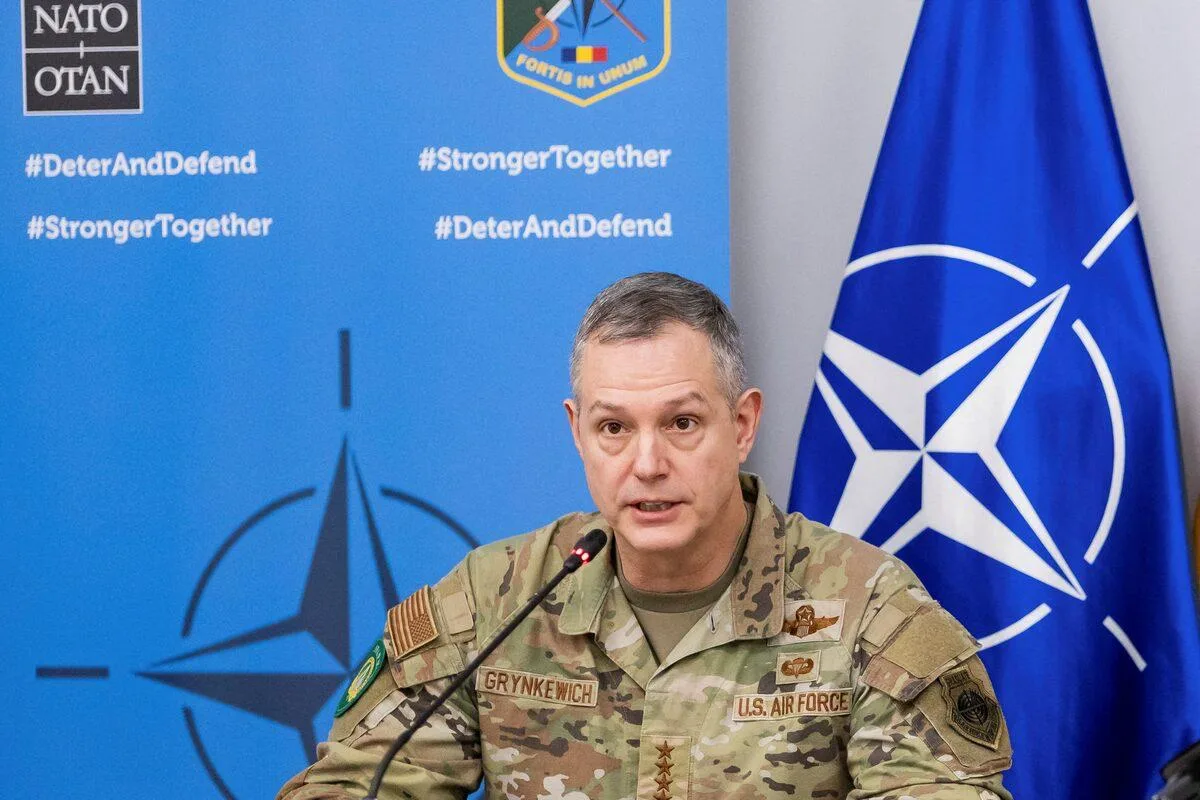
NATO's Supreme Allied Commander Europe, US Gen. Alexus Grynkewich, said Europe must strengthen its support for Ukraine in response to Russian hybrid attacks, Ukrainska Pravda reported on 12 October.
Grynkewich is in Poland to present his plans for how to defeat Russia quickly should it invade NATO territory, the outlet said. The visit comes amid rising tension between the Alliance and Russia. The report gave no details of the plans, and none are included here.
Question on the diesel deal
Grynkewich was asked whether the agreement between US President Donald Trump and Russian President Vladimir Putin on importing Russian diesel undermines these efforts. According to Ukrainska Pravda, he replied that he is focused solely on military matters.
The report does not quote him directly. His statements are relayed in paraphrase, and RealUA has not seen a full transcript or recording of his remarks.
Who is Grynkewich
The Supreme Allied Commander Europe (SACEUR) is NATO's top military commander and leads Allied Command Operations. The post has traditionally been held by a US officer. Grynkewich is a US Air Force general.
Background
"Hybrid attacks" is a term commonly used for non-military or deniable actions short of open war, such as sabotage, cyber operations and disinformation. The source does not specify which incidents Grynkewich had in mind.
RealUA has previously reported on related developments. The Financial Times reported that Russia is stepping up plots to assassinate heads of European defence companies, and Germany's domestic intelligence service said it had increased cooperation with industry.
The diesel arrangement has also drawn criticism. RealUA reported that, according to the New York Times, efforts to restart peace talks stalled after Trump announced a diesel supply deal with Putin. Latvia, Estonia's prime minister and former US envoy Keith Kellogg criticised the arrangement. Ukrainska Pravda also reported that seven US senators said Trump's decision to allow Russian diesel imports contradicts a 2022 congressional ban.
Further details of Grynkewich's remarks and of the plans he is presenting in Poland have not yet been published.