Khmara tells defence industry: front-line needs first, exports only afterwards
Defence Minister Yevhenii Khmara met defence-industry representatives and promised level rules and more predictable state orders. He said a controlled export mechanism is being prepared, but only after army needs are met.

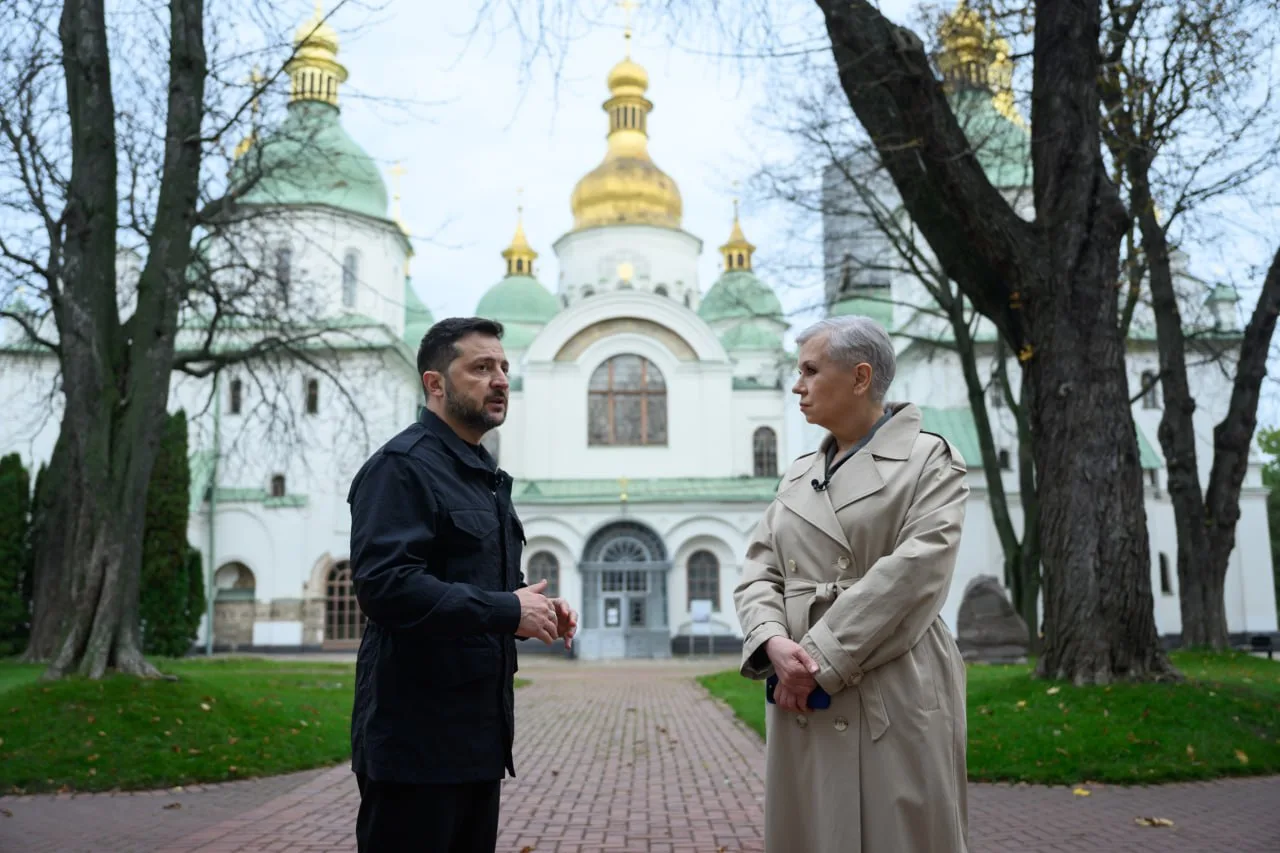
Ukraine's Defence Minister Yevhenii Khmara has told representatives of the country's defence industry that the state wants transparent rules and predictable procurement. He also said the army's needs must come before any arms exports, the Defence Ministry said on 24 October.
The ministry gave no date or location for the meeting. It also named no participants, and it announced no concrete figures, contracts or deadlines.
Level rules, realistic assessments
According to the ministry, the main topics were transparent rules for manufacturers, predictability of state procurement and the development of Ukraine's production capacity.
"Level rules for all defence-industry enterprises are important to us," Khmara said. Manufacturers, he added, must understand the state's needs and future demand and plan their work accordingly. In return, the ministry expects the industry to give a realistic assessment of its production capacity and to keep developing and looking for new technological solutions.
Khmara framed the demand in terms of the war with Russia. "Russia adapts quickly. We must be faster. We must be a step ahead. We must respond to a threat that is still only the enemy's plan," he said.
The ministry said the main criterion for the industry's development is meeting the needs of Ukraine's Defence Forces.
Controlled export
The Defence Ministry is also working on mechanisms for the controlled export of Ukrainian defence products, the statement said. It did not describe how such a system would work, which products it would cover or when it might start.
"The focus must be not on sales but on the needs of our army," Khmara said. "We must clearly understand how much weaponry the front needs and guarantee its supply. Only after that can export opportunities be considered." In his words, export should open new markets for Ukrainian producers, help them expand production and create resources for further investment.
Khmara also stressed the importance of reinvesting profit in company development and raising output. The ministry said this is needed so the industry can respond quickly to changes in the front's needs.
Background
The statement fits a series of recent government steps aimed at the defence industry. In earlier coverage, RealUA reported that the Verkhovna Rada passed bill No. 15400 in first reading. It would direct export-control permit fees for military and dual-use goods to the Defence Ministry. A first reading is only an initial approval, and the bill needs further votes before it can become law.
RealUA also reported that defence companies have secured more than UAH 12.5 billion in subsidised loans, with borrowers paying 5% a year. The government has also backed a simplified procedure for building underground defence plants with private money. In mid-October Khmara said the ministry wants to shield defence-industry workers from mobilisation as far as possible, while keeping the system fair and tied to each company's real contribution.
The Defence Procurement Agency is the state body that handles much of the military's centralised purchasing. Predictability of its orders is a recurring concern for manufacturers, who need to plan output and investment.
What is not yet known
The ministry did not say when the controlled export mechanism will be presented, what safeguards it will include, or how the "needs of the front" will be measured before exports are allowed. It also did not say whether the promise of level rules involves any changes to procurement regulations. The statement is the ministry's own account of the meeting, and no manufacturers' reactions were included.