Ukraine's intelligence names 30 foreign machines used to build Russian ballistic missiles
Ukraine's military intelligence (HUR) has published data on about 30 foreign-made machine tools and measuring devices it says Russian missile makers use. The claims are HUR's own and were not independently verified.
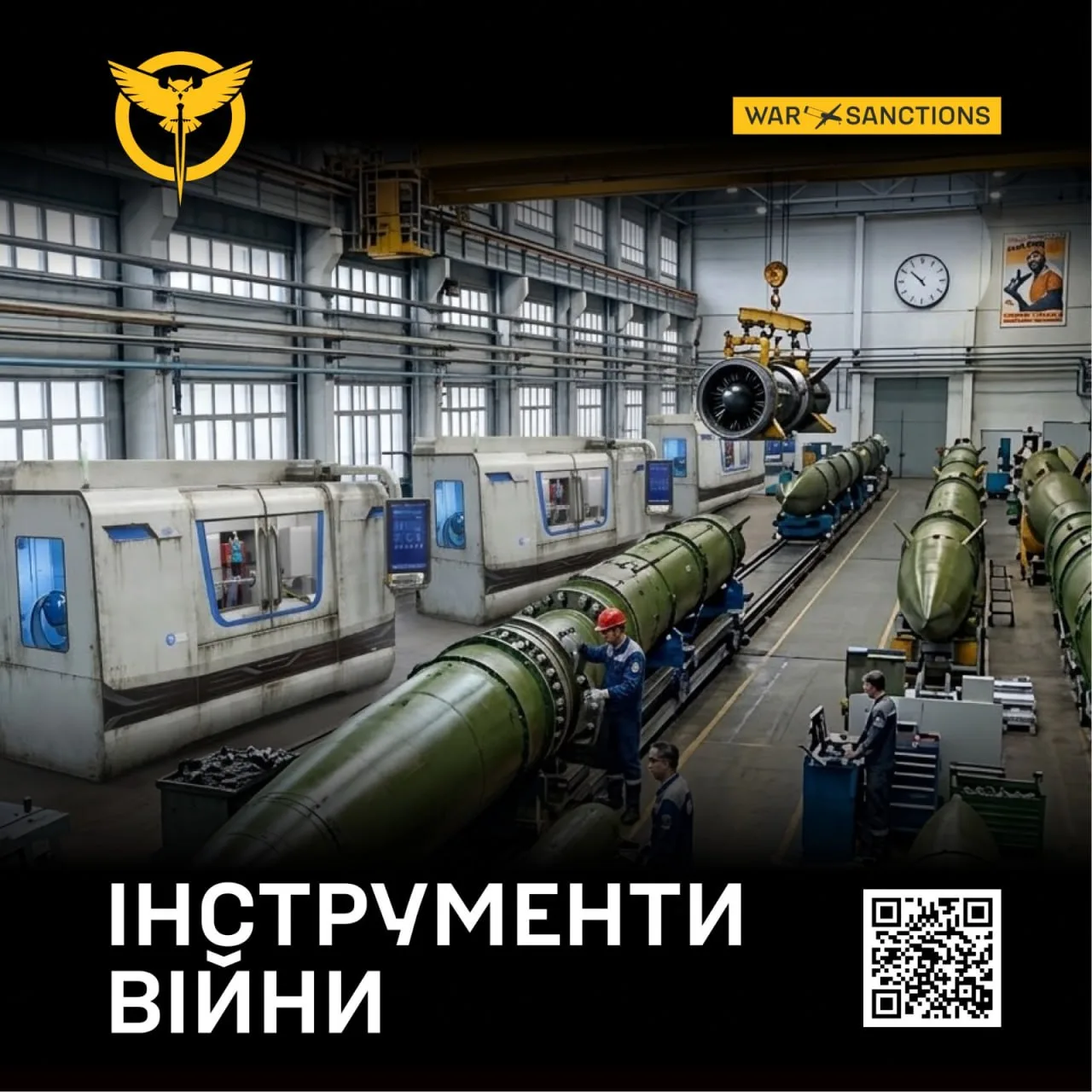
Ukraine's military intelligence agency, HUR, says Russia's ballistic missile industry still depends on foreign-made industrial equipment. On 26 October it published data on 30 machines and devices that it says are used in Russian missile production.
The information was added to War&Sanctions, a portal run by Ukrainian intelligence that catalogues foreign parts and equipment found in Russian weapons. The claims are HUR's own. The agency did not publish supporting evidence in its announcement, and they could not be independently verified.
What HUR says it found
According to HUR, the 30 items come from China, Germany, Taiwan, the United States, Turkey, Switzerland and Italy. Russian factories use them to make ballistic missiles and their components, such as altimeters (height-measuring instruments), aerodynamic rudders and gyroscopes (devices that help guide a missile).
HUR says that, despite all its efforts, Russia still cannot replace the industrial equipment of leading world manufacturers with locally built versions. It also points to a growing share of Chinese machine tools and machining centres, including five-axis models. A five-axis machine can move a cutting tool or the workpiece along five axes at once, which lets it cut complex shapes such as missile parts in a single setup.
HUR names three examples:
- GX-650 machining centre. This is a five-axis universal machine made by Hyper Machine Tool (China). HUR says the Votkinsk plant uses it. The plant makes 9M723 missiles for the Iskander-M system and the missile section of the Kh-47M2 Kinzhal air-launched aeroballistic missile.
- Shtral lathe and milling centres. These Chinese machines are used at PEMZ Molot, which HUR says makes electronic equipment units for Iskander-M missiles.
- Rohde & Schwarz measuring equipment. This German-made equipment is installed at the UPKB Detal design bureau, which HUR says makes altimeters for Zircon missiles. The Zircon is a Russian hypersonic missile.
Chinese machines, Western parts
HUR stresses that Chinese machines often contain European, Japanese and Taiwanese components. It lists CNC systems (computer controls that run a machine automatically), servo drives, high-precision spindles and bearings, measuring and rotary systems, linear guides, and thermal-stabilisation and process-control devices.
That matters because a machine built in China can bring Western or Japanese technology into Russian factories. It may also mean restrictions on direct sales do not fully cut off supply. HUR did not say how the equipment reached Russia or which intermediaries were involved.
HUR's recommendations
The agency called on partner countries and manufacturers to take several steps:
- Strengthen end-user checks, including on-site inspections by authorised representatives at the declared installation address.
- Extend tighter controls to spare parts, components, technical fluids, consumables, software, updates and servicing.
- Audit distributors, dealers and other intermediaries regularly, especially those supplying high-risk jurisdictions, and look for signs of re-export or a change of end user.
- Investigate cases where a manufacturer's products turn up in Russia's military-industrial complex, trace the supply chain and stop further deliveries through the intermediaries involved.
- Restrict supplies of CNC systems, tooling and other components to Chinese manufacturers that sell equipment to Russian defence firms.
Background
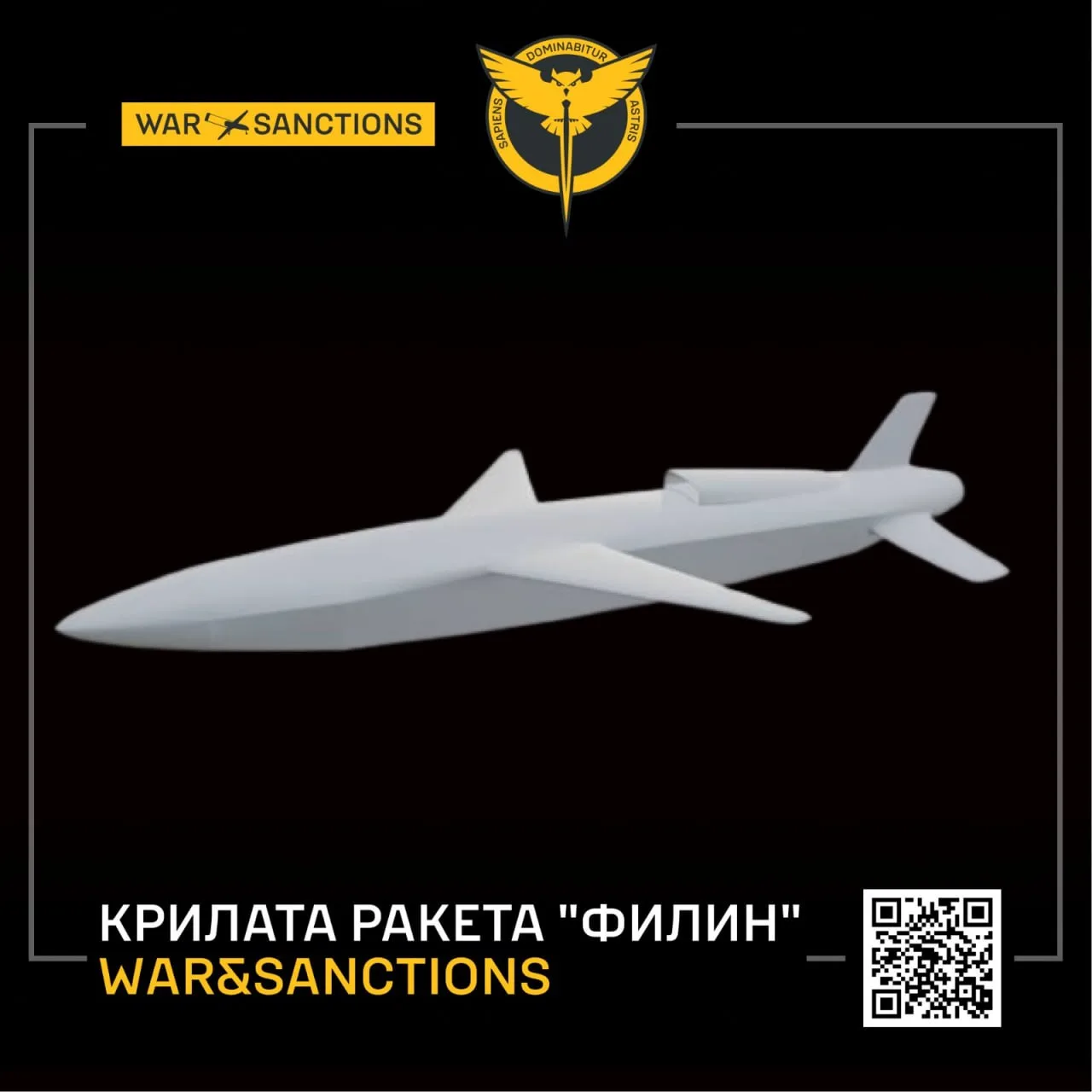
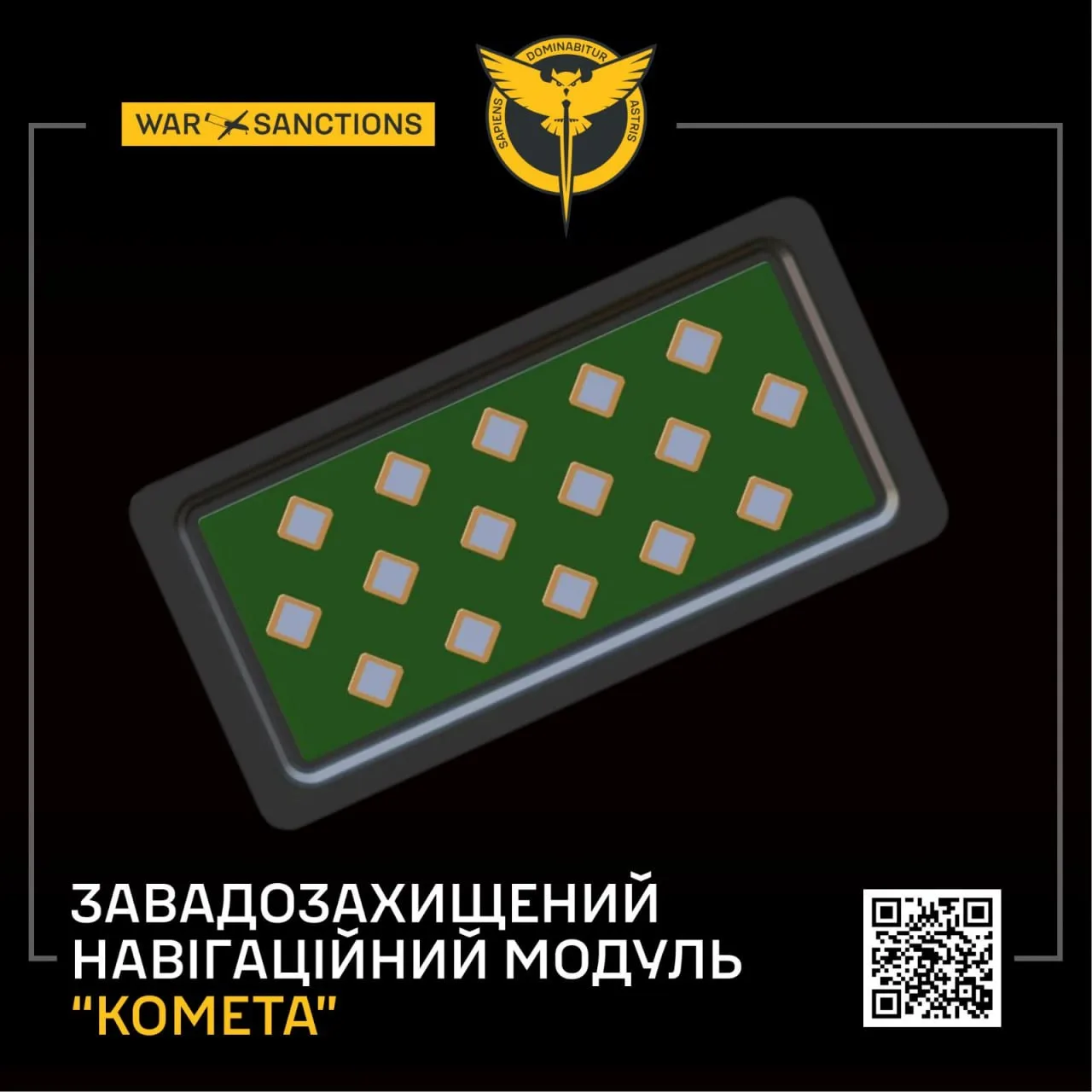
The release continues a series of HUR disclosures about foreign dependence in Russian weapons. RealUA reported on 22 October that HUR had published a 3D model and component data for Russia's low-cost Filin cruise missile, saying it relies on Chinese navigation and many foreign parts. On 19 October, we reported that HUR had listed 37 foreign electronic components, 28 companies and 13 pieces of foreign equipment tied to Russia's Kometa navigation modules.
On 12 October RealUA also reported HUR's claim that 22 of the 58 Russian firms involved in making the Kinzhal were not under any sanctions. HUR said then that Russia had cut Kinzhal orders in 2026 in favour of Iskander-M missiles. Russia has fired large numbers of ballistic missiles at Ukrainian cities in recent weeks, according to earlier RealUA reports.
HUR's announcement does not say whether the manufacturers named knew about the end use of their products. It also does not say how many of the machines were bought before sanctions took effect. Whether any of the companies will respond or face new restrictions is not yet known.