National Bank opposes crypto legalisation bill before second reading
Ukraine's National Bank has come out against the bill legalising cryptocurrency ahead of its second reading, citing three risks it says the text ignores, including foreign tokens, unequal rules and corruption in authorisation.
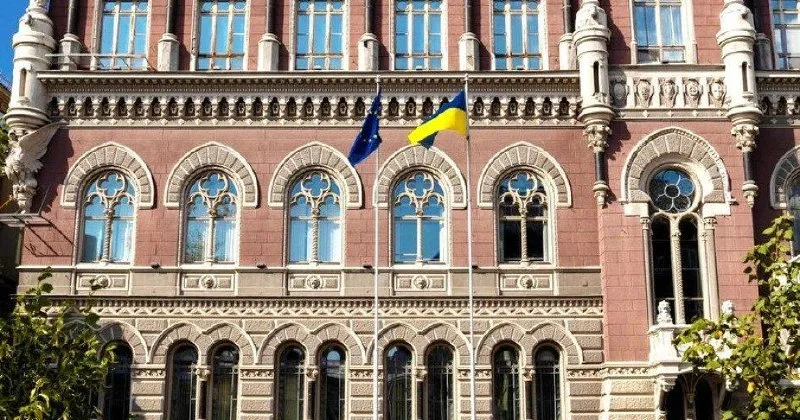
Ukraine's central bank has come out against the bill legalising cryptocurrency in the country, ahead of the draft's second reading in the Verkhovna Rada, Ekonomichna Pravda reported on 5 November.
"Our fundamental position: the development of this market must not create threats to Ukraine's monetary sovereignty, price and financial stability, and economic security," the National Bank of Ukraine (NBU) said, according to the outlet.
Three risks the NBU says are ignored
The regulator named three risks that, in its view, the bill does not take into account:
- Uncontrolled admission of foreign tokens. The NBU is concerned about foreign tokens entering the Ukrainian market that can in practice perform the functions of electronic money, but are not subject to the corresponding regulation and supervision in the countries that issue them.
- Regulatory gaps and unequal requirements. According to the NBU, a simplified route for foreign virtual assets should not allow them to bypass the requirements set for comparable Ukrainian assets.
- Risks of monopolisation and corruption in authorisation. The NBU says certain provisions of the bill create risks of market monopolisation and possible corrupt abuses when market participants are authorised by the National Securities and Stock Market Commission (NSSMC).
The NBU called on lawmakers to revise the document with the involvement of all participants in the legislative process and to take the regulator's comments into account.
What is at stake
The NBU's statement, as relayed by Ekonomichna Pravda, does not say which specific articles it objects to, and the source does not give the bill's number or the date of the second reading. Those details were not disclosed in the material available to RealUA.
The objection concerns how virtual assets are brought into a regulated framework. The NBU's first two points centre on foreign tokens that could work like e-money without the oversight applied to e-money, and on whether they would face lighter rules than Ukrainian equivalents. Its third point concerns the NSSMC, the securities market regulator named in the statement as the body that would authorise market participants.
It is not yet clear whether the Rada will amend the bill in response before the second reading. RealUA has not found earlier coverage of the bill in its archive.