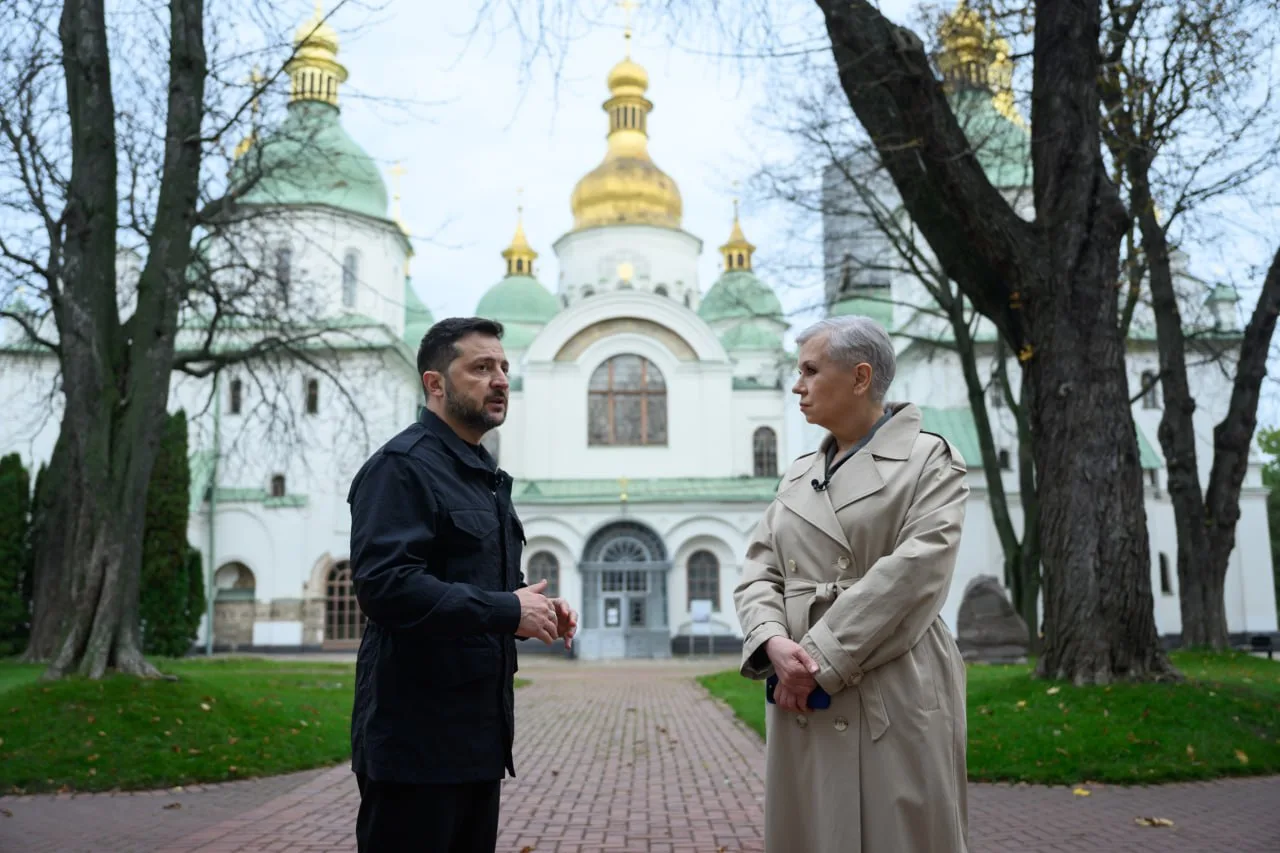
Russia's exit from European anti-torture convention takes effect
Russia's withdrawal from the European Convention for the Prevention of Torture took effect on 1 November 2026, ending the Council of Europe's anti-torture committee's mandate to monitor Russian detention sites.
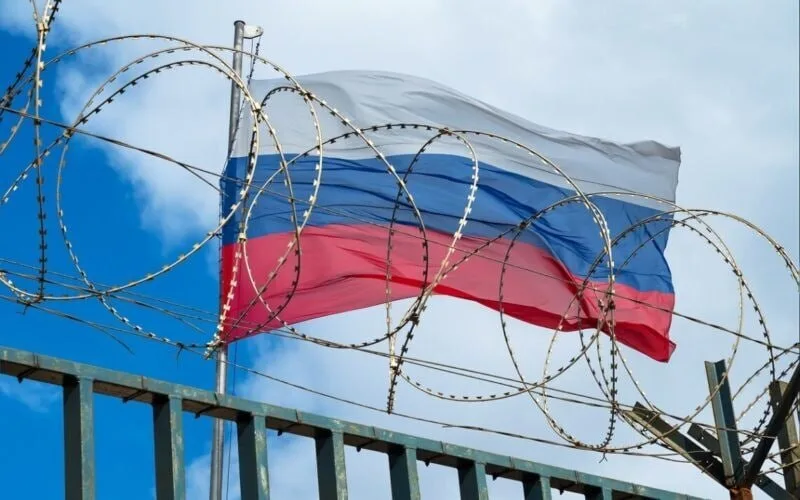
Russia's withdrawal from the European Convention for the Prevention of Torture took effect on 1 November 2026, the Council of Europe's Committee for the Prevention of Torture (CPT) said, according to a report by the Ukrainian monitoring project DeepState on 2 November.
Moscow formally notified the denunciation of the convention on 30 October 2025. From now on, the CPT no longer has a mandate to monitor places of detention in Russia. CPT President Alan Mitchell said this means the end of independent monitoring of such facilities in the country.
No visit since the full-scale invasion
After Russia launched its full-scale invasion of Ukraine in 2022, the committee received numerous reports of torture and ill-treatment by Russian officials, both in occupied Ukrainian territory and inside Russia itself, the CPT said. Because Moscow refused to cooperate, the committee was unable to carry out a visit to Russia to check those reports.
Russia had been a party to the convention since 1998. According to the committee, it made 30 visits to Russia up to 2021 and visited more than 450 places of detention. Russian authorities, however, allowed only four of the resulting reports to be published.
The CPT also noted that Ukraine continues to give it access to places of detention in territory under Ukrainian control and automatically publishes the committee's reports.
Background
The convention, drawn up under the Council of Europe in 1987, lets the CPT's independent experts visit prisons, police stations, psychiatric institutions and other detention sites without advance permission and report on conditions and treatment. Reports are confidential unless the state concerned agrees to publish them, which is why the number of published Russian reports matters.
The step follows Russia's earlier break with the Council of Europe, Europe's main human rights body. Russia was expelled from the organisation in March 2022 after the invasion of Ukraine, and it ceased to be a party to the European Convention on Human Rights in September 2022.
Ukrainian officials and international bodies, including the UN human rights monitoring mission in Ukraine, have repeatedly reported torture and ill-treatment of Ukrainian prisoners of war and civilian detainees in Russian custody. Moscow has denied systematic abuse. The CPT statement does not itself verify individual cases, and none of these claims could be independently checked here.
What happens next
The CPT said nothing in the material reported about any alternative monitoring arrangement for Russian detention sites, and it is not clear from the source whether any is planned. The loss of the mandate leaves no European mechanism with the right to inspect such facilities in Russia.